
Seattle roofs take months of rain, wind and moss every year. We install and repair roofs on homes across Seattle and the Eastside with ice-and-water shield in leak-prone spots and balanced attic ventilation, so your new roof stays dry and doesn’t age early from ice dams or trapped moisture.
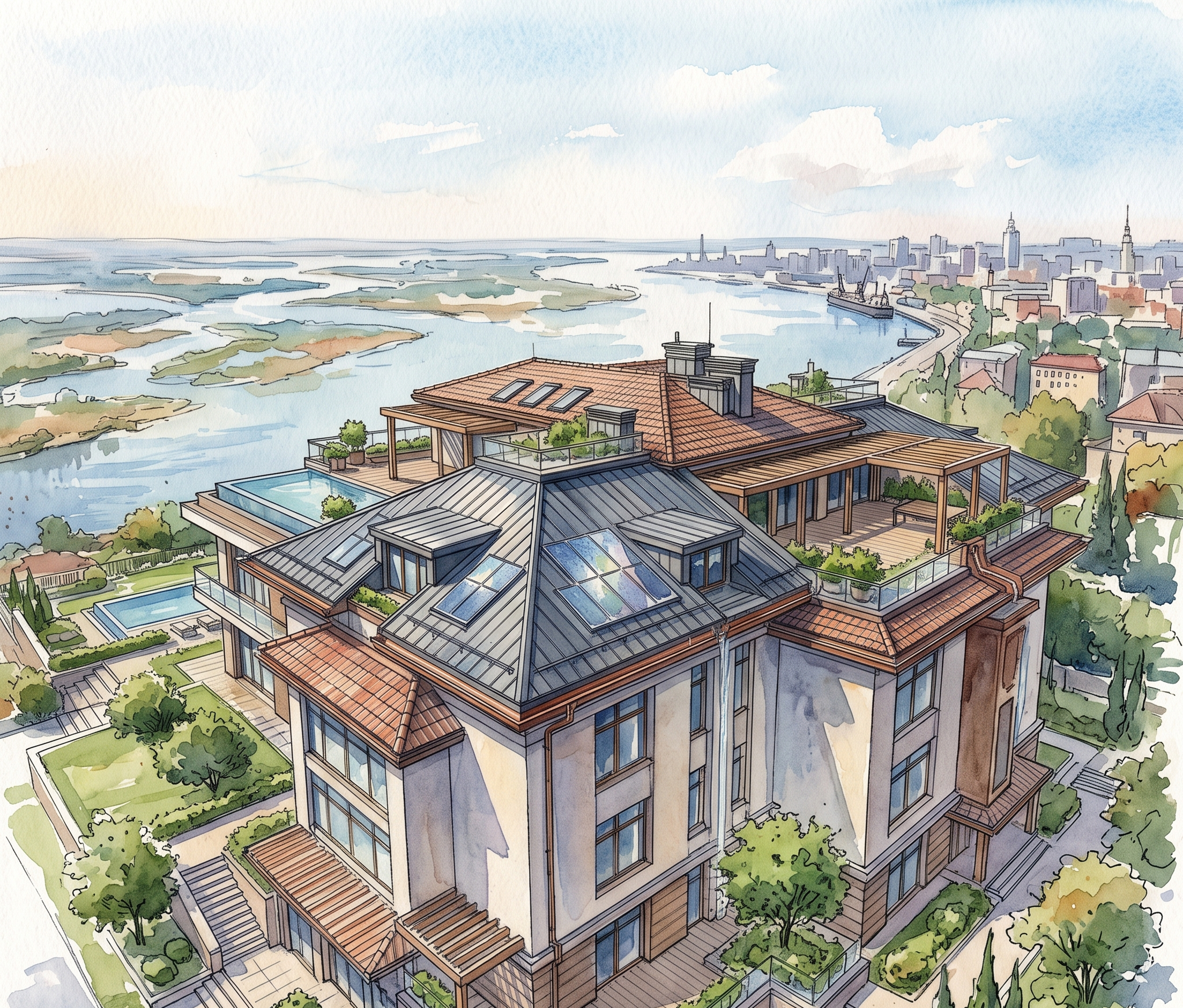
The Problem: Many contractors treat a new roof as a quick tear-off and replace job. They nail new shingles over rotted decking and skip the attic ventilation check. Heat and moisture stay trapped in the attic, shingles blister and curl early, rafters start to rot and ice dams form in winter. The result is a roof that leaks and quietly damages your insulation from the top down.
We look at the whole roof system, from the rafters up. We check the decking and the attic, plan ventilation that actually moves air, and add layered water barriers at valleys, eaves and walls, so your home stays dry and well insulated year-round.
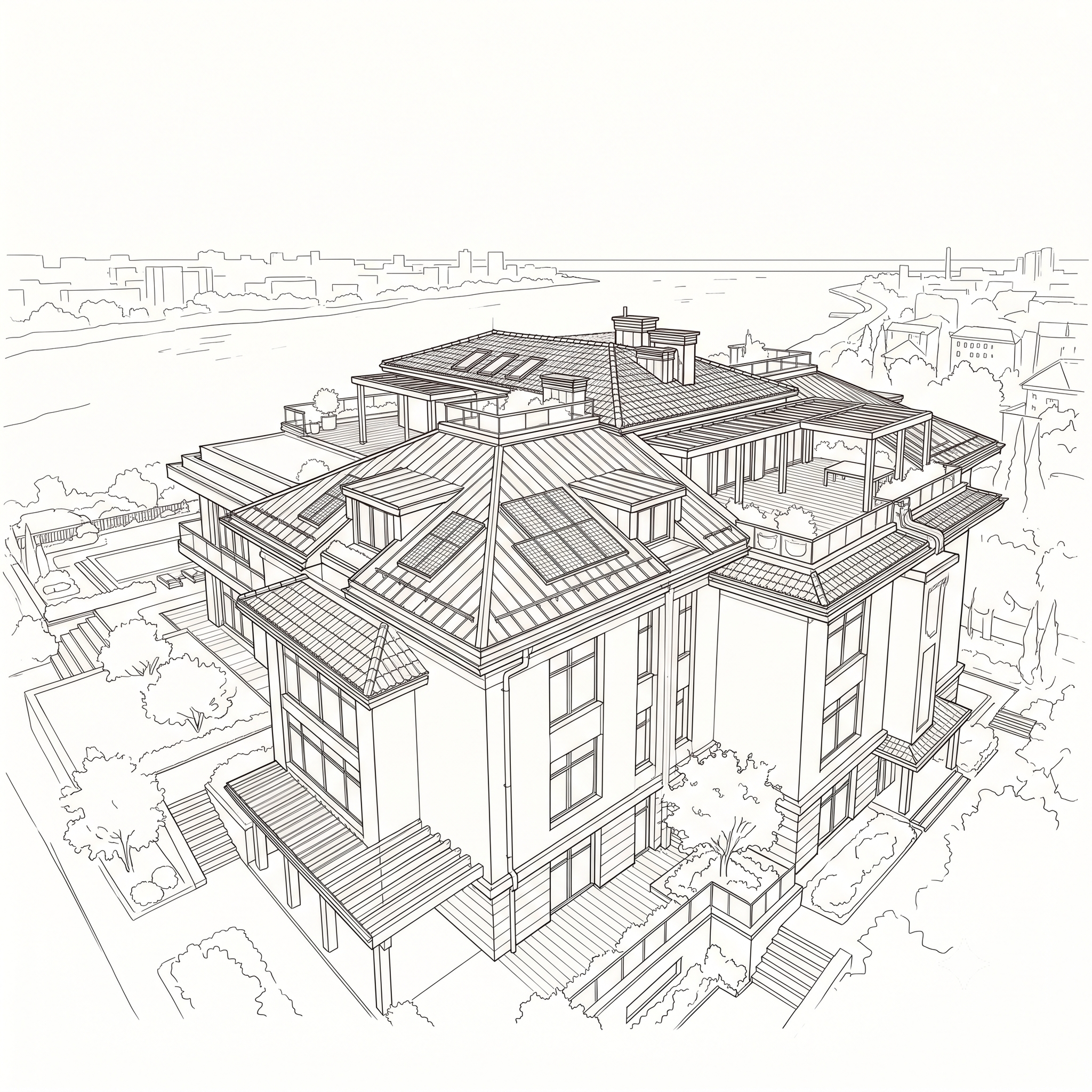
A roof that holds up to Seattle wind and rain is built to NRCA (National Roofing Contractors Association) guidelines and local wind-load requirements. We install ice-and-water shield directly on the roof deck in valleys and along roof-to-wall joints, where wind-driven rain most often gets in.
Poor ventilation overheats the attic and wears out shingles early. We size intake and exhaust for your attic and balance soffit vents at the bottom with a continuous ridge vent at the top, so moist air keeps moving out.
Valleys and low-slope sections collect water and ice. We cover them with a self-sealing rubberized membrane applied directly to the wood deck. It seals around every nail, so water can't follow it inside.
Where the roof meets a wall or chimney, leaks are most likely. We install metal step flashing and counter-flashing tied into the siding or brick, so rain runs off the roof instead of into your walls.
From a single leak to a full tear-off, our crews handle every part of the roof on homes and small commercial buildings across Seattle and the Eastside. Here is what that includes.
Beyond homes, we handle roofing for small commercial buildings across the Puget Sound area, including offices, retail spaces, clinics and mixed-use properties. We schedule work around your business hours, keep entrances safe and clean, and coordinate the roof with any interior improvements in the same building.
Flat and low-slope roofs on modern homes, garages, additions and commercial buildings need a different approach than a sloped shingle roof. We install new flat roofs and repair existing ones, sealing failed seams and correcting areas where water stands after rain.
Most roof leaks start at the flashing, not in the middle of the shingles: valleys, skylights, roof-to-wall joints and plumbing vents. We replace rusted or poorly sealed flashing, install step and counter-flashing correctly and add ice-and-water shield at every vulnerable joint.
In Seattle's damp climate, poor attic ventilation leads to condensation, mold on the roof deck and shingles that age years early. We balance intake and exhaust with soffit vents, ridge vents and baffles, and reroute bathroom and kitchen fans that vent into the attic instead of outside.
Moss, clogged valleys and small flashing gaps are cheap to fix and expensive to ignore. A maintenance visit covers moss removal, clearing valleys and gutters and resealing roof penetrations. Afterwards we tell you what needs attention now and what can wait.
Rotten fascia boards and damaged soffits let water and pests into the roof edge and the attic. We replace damaged wood, install new fascia and vented soffit panels, and make sure the drip edge and gutters sit correctly on the new boards.
Chimneys are one of the most common leak points on older Seattle homes. We install chimney caps to keep out rain and animals, replace worn flashing around the chimney and, behind wider chimneys, build a cricket so water doesn't pool against the masonry.
Our Work
See recent projects from our team across Seattle and the Eastside, from roofing and exteriors to full home remodels.


We don’t use organic felt paper or staples that tear in high winds. Every layer of your roof is chosen to keep water out and hold up to wind.
We install thick fiberglass-based architectural shingles with Class 4 impact resistance and algae-resistant granules, as well as metal roofing systems. They hold up to strong wind and impacts without cracking or splitting.
We cover the whole wood deck with woven synthetic underlayment instead of old tar paper. It has twenty times the tear strength, doesn't absorb water and helps protect the deck from rot.
Smooth nails slowly work loose as the wood expands and contracts with the seasons. We fasten your roof with heavy-gauge, zinc-coated ring-shank nails set to the right depth, so the shingles stay put in high winds for the life of the roof.
Our step-by-step process keeps the job organized, clean and predictable, and you know what is happening at every stage.
We remove the old roofing, check the wood deck, rafters and attic vents, and replace any damaged sections before anything new goes on.
Before materials arrive, we plan every flashing detail, valley and vent, so the ventilation meets code and the trouble spots are covered.
Before tear-off starts, we cover your walls, windows and landscaping with heavy protective netting to catch falling debris and nails.
Our licensed roofers repair damaged decking, install synthetic underlayment and valley barriers, and lay the shingles with exact spacing.
We check the fasteners and vents, sweep the yard and driveway with magnets to pick up stray nails, and walk through the finished roof with you.
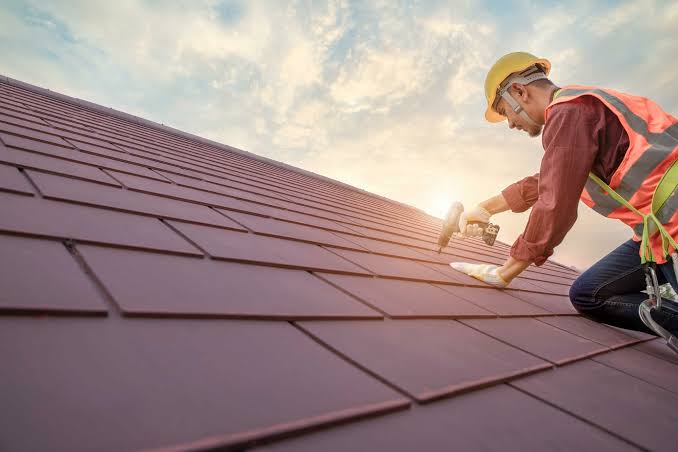
The price depends on the roof pitch, how much damaged decking we find after tear-off, the number of valleys and the materials you choose. A properly ventilated roof with synthetic underlayment takes more work than laying new shingles over old ones, but it prevents early roof failure. We give you a detailed fixed-price quote so you can plan your budget.
In summer, air in a poorly vented attic can get hotter than 150°F. That heat bakes the roof deck from below, softens the shingle adhesive and makes shingles curl and blister early. In winter, warm attic air melts snow unevenly. The water refreezes at the cold roof edge, forms ice dams and gets pushed under the shingles.
Felt paper is made from cellulose soaked in asphalt. Over time it dries out, rots and becomes brittle. Synthetic underlayment is woven from polymers: it doesn’t rot or absorb water, resists mold and is much harder to tear in strong wind during installation.
Ice dams form when heat from your home melts snow on the roof and the water refreezes at the cold roof edge. The ice blocks drainage, and water backs up under the shingles. We prevent this with continuous soffit-to-ridge ventilation, which keeps the roof deck at an even temperature, and with ice-and-water shield along all eaves as a second line of defense.
A tear-off drops thousands of old nails and a lot of debris around the house. We cover your siding and landscaping with heavy netting that guides debris into our bins. When the job is done, our crew goes over the yard and driveway several times with industrial magnetic sweepers to pick up every loose nail.
Don’t risk your home on a cheap roof without proper ventilation. Get a free estimate from Iconiq Construction and protect your home with a roof built to last a lifetime.